
A proper study, not a guess made on a Sunday afternoon
Most cafe owners pick a spot because it felt right on a weekend visit, or because the rent looked low. That single decision ends up deciding most of what happens after. A busy road, a quiet lane, a spot with no parking nearby, a building already surrounded by five other cafes fighting for the same customer — each of these either helps a cafe grow or slowly wears it down.
Location mapping is the study our team runs before you put down a deposit. We look at who walks past that spot every day, who lives and works close by, what other food and drink shops are already working the same area, how easy the place is to reach, and whether the site can even support the kitchen a cafe needs to run properly. All of it goes into one clear report, so you choose a location on facts you can point to, not a feeling you cannot explain to your investor or your bank.
This is the same kind of ground study large cafe chains run before opening a new outlet, now available to independent cafe owners setting up anywhere in India.
Chefs Shop is a manufacturer of commercial kitchen equipment, not a real estate agent or a broker, so the study is not written to push you toward any particular property. Our interest is in the kitchen that gets built after the location is chosen, which is exactly why we care about getting the location right before that stage begins.
The one decision you cannot fix after opening day
You can change your menu, retrain your staff, redo your interiors. You cannot pick up a running cafe and move it once the lease is signed and the kitchen is built.
Most cafes that shut down in the first year did not fail because the coffee was bad. They failed because the daily footfall never matched what the business plan assumed, or because the rent quietly ate every rupee of profit before the owner noticed. Both of these are location problems, and both are avoidable if the site is studied properly before the lease is signed rather than after the first slow month.
Rent is generally recommended to stay under this share of your realistic monthly revenue. Go above it and you spend most of the year paying the landlord, not growing the business.
Cafe culture in India is no longer only a metro story. Smaller towns are seeing new cafes open every few months, which means more competition in areas that felt open a year ago.
A location is the one part of a cafe business that cannot be redone cheaply. Every other mistake can be corrected after opening. A wrong site usually cannot.
What we check when we map a location for your cafe
Every site is checked against the same set of questions before we hand you a report you can actually use.
Footfall quality, not just footfall count
A busy road is not always a good sign. We check who is actually walking past, office staff on a break, students between classes, families out shopping, and whether that crowd matches the customer your cafe needs.
Who lives, works and studies nearby
We study the area within walking distance and a short drive. Homes, offices, colleges or hospitals close by tell you what to put on the menu and what price to charge.
Competition already in the area
We map every cafe and quick bite shop already working nearby. A few good cafes close by is often a healthy sign. Too many doing exactly what you plan to do is worth knowing before you sign, not after.
Visibility, access and parking
A cafe hidden behind a building or up a flight of stairs loses customers before they know it exists. We check visibility from the road, ease of walking in, and parking close by.
Rent against realistic earnings
We work out what the space can realistically earn based on footfall and the area around it, then check if the rent being asked actually makes sense against that number.
Kitchen infrastructure the site must support
Power load, water supply, drainage, and space for exhaust and ventilation. We check this before you commit, since fixing it after the lease is signed costs far more.
Legal, zoning and FSSAI readiness
Some properties are simply not allowed to run a food business, or come with restrictions that only surface during licence applications. We flag these early.
One clear report at the end
Every point above is written down, scored and compared across every site you are considering, so the final choice is a business decision, not a guess.
A simple way to score and compare multiple locations
If you are choosing between two or three shortlisted sites, do not decide from memory or gut feeling alone. Score each one against the same six points, out of five each. The site with the highest total is usually the safer choice, even if it was not the one that felt the most exciting to walk into.
| Factor | What a high score looks like | What a low score looks like |
|---|---|---|
| Footfall quality | A steady flow of your actual target customer through the day | High traffic that never slows down to look at your shop |
| Visibility | Seen clearly from the road, corner spot, room for good signage | Hidden behind another building, upstairs, or set far back |
| Competition | A few good cafes nearby, proving people already go out for coffee here | Five or more similar cafes fighting for the same small crowd |
| Rent match | Rent sits comfortably under 12 to 15 percent of realistic monthly earnings | Rent only makes sense if every day performs like a festival weekend |
| Access and parking | Easy to walk in, park close by, delivery riders reach the door without trouble | Confusing entry, no parking, riders regularly report delays reaching the spot |
| Infrastructure | Power, water, drainage and exhaust space already suit a kitchen | Major civil or electrical work needed before a kitchen can be installed |
Best types of locations for a cafe business
There is no single best location for every cafe. The right spot depends on your concept, your budget and who you want walking through the door.
High streets and market areas
Constant footfall through the day and strong visibility from the road. This is usually where a cafe gets seen the most, but rent and competition are the highest here too, so the numbers need to be checked twice as carefully.
Malls and shopping complexes
Built-in footfall, air conditioning and safety suit a premium cafe concept well. Revenue share arrangements and common area charges cut into margins, so the real earning potential is often lower than the footfall alone suggests.
Office parks and IT campuses
Reliable weekday footfall during work hours makes this format strong for breakfast, lunch and evening coffee runs. Weekends, holidays and long leave periods turn these areas quiet, so plan your cash flow around that gap.
College and university areas
High footfall of young customers who go out for coffee often, sometimes more than once a day. This works best with a lower price point and a menu built for quick, repeat visits rather than long sit-down meals.
Residential and gated communities
Loyal, repeat local customers who visit because you are close to home, not because you are on a busy road. The overall customer base is smaller here, so word of mouth and local reputation matter more than signage.
Institutional campuses: hospitals, corporate offices and educational institutes
Steady, almost guaranteed footfall inside a closed campus, since the same people pass by every single day regardless of weather or season. Pricing is usually expected to stay affordable, and contracts often run through the institution rather than a standard market lease, which changes how the whole deal is negotiated.
A dine-in cafe and a delivery-first cafe need different locations
The kind of cafe you are building changes what a good location even means.
| Factor | Dine-in cafe | Cloud kitchen or delivery-first cafe |
|---|---|---|
| What matters most | Visibility from the road and walk-in footfall | Order density within a 3 to 5 km delivery radius |
| Rent priority | Ground floor, high visibility spot | Any space that is easy for delivery riders to reach quickly |
| Seating | Needed, and adds to the setup cost | Not required, frees up budget for kitchen equipment |
| Signage | Important for walk-in customers | Barely matters, most customers order through an app |
| Best judged by | Footfall counts and visibility checks | Existing food delivery order volume already in that area |
Planning to run both formats from one kitchen? We map the location against both sets of numbers, not just one.
Common location mistakes cafe owners make
Choosing a spot only because the rent looks low, without checking if the footfall matches what the cafe needs to earn
Judging a site from a single weekend visit, without checking how the area behaves on a regular working day
Ignoring what other cafes and food shops nearby are already doing well or badly in the same stretch
Finalising a location before checking if the site can actually support a proper cafe kitchen setup
Leaving the zoning and licence check for after the lease is signed instead of before
Falling for a beautiful looking space and letting that excitement decide the deal, instead of checking the numbers first
Assuming a location that worked well for a friend's cafe will automatically work the same way for a different concept and a different menu
How to test a location before you finalise it
A single visit on a quiet Sunday afternoon tells you almost nothing about how a site actually performs. Before any lease is signed, the site needs to be tested properly, the same way we test it as part of our own study.
Visit on a normal weekday, not only a weekend
Most of a cafe's business happens on ordinary working days. A site that looks busy only on a Saturday afternoon can feel completely empty on a Tuesday morning, and it is the Tuesdays that decide if the business survives.
Count footfall at different times of the day
Stand near the spot for an hour during a slow period and again during a busy period. Count how many people who look like your target customer actually pass by, not just the total size of the crowd.
Check food delivery apps for the same area
Search the pin code on delivery apps and see how many cafes and cloud kitchens are already active nearby, and how busy they appear to be. This tells you if delivery demand already exists in that pocket.
Talk to the shopkeepers already working nearby
The shop owner next door usually knows more about a stretch of road than any report can tell you, including which hours are genuinely busy, which are dead, and what has failed there before.
Walk the site again after dark and during rain
A spot that looks perfect on a clear afternoon can lose most of its footfall after sunset or during the monsoon. A cafe needs to work through the full year, not just on good weather days.
Questions to ask the landlord before you sign
Some of the biggest location problems only show up after the lease is signed, simply because nobody asked the right question at the right time.
Is the property legally approved for running a food and beverage business?
What is the sanctioned power load, and can it be increased if the kitchen needs more?
Is there an existing exhaust duct, or a clear path to install one?
What is the water supply and drainage capacity of the site?
Are there any restrictions on operating hours or the type of food that can be served?
What is the lock-in period, and what happens if the cafe needs to exit early?
Does the rent increase every year, and by exactly how much?
Who is responsible for structural repairs versus day to day maintenance?
How our location mapping service works
Location mapping is the first step of a larger process. Once your site is confirmed, the same team can carry your cafe forward, step by step, to the day it opens.
Location mapping
We study footfall, nearby demand, competition and site readiness, and hand you a clear report before you sign anything.
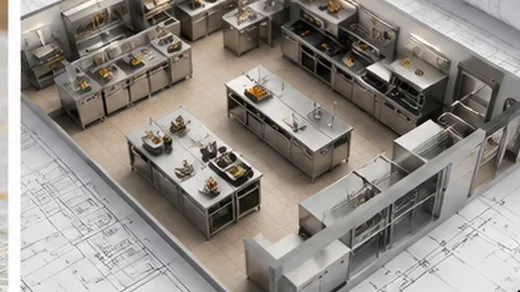
Kitchen planning and layout
Once the site is confirmed, we plan the kitchen layout around the space you actually have, not a standard template.
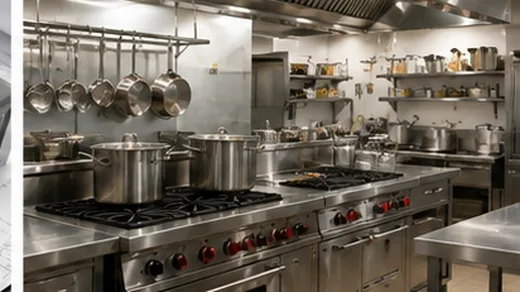
Kitchen equipment
As the manufacturer, we build and supply the equipment your layout calls for, with no dealer in between.
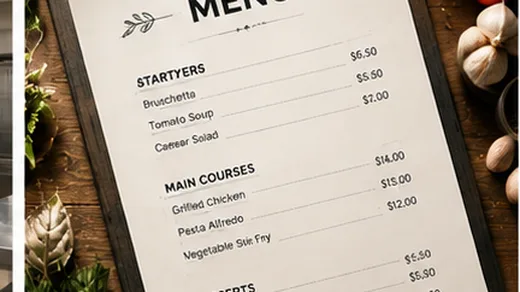
Menu engineering
We help shape a menu that fits your concept, your kitchen size and the customers walking through that location.

F&B setup
From sourcing to service flow, we help set up the full food and beverage operation around your new site.
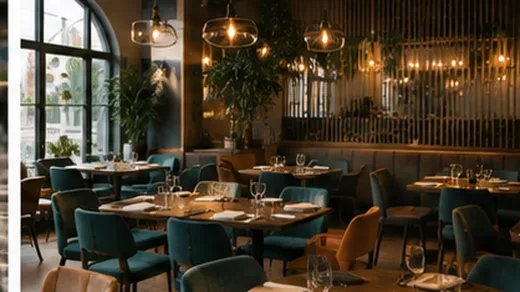
Interior planning
We plan the interior around how customers will actually move through the space, not just how it looks in a photo.

Brand positioning
We help position your cafe so it fits naturally into the area you have chosen, and stands out from what is already there.
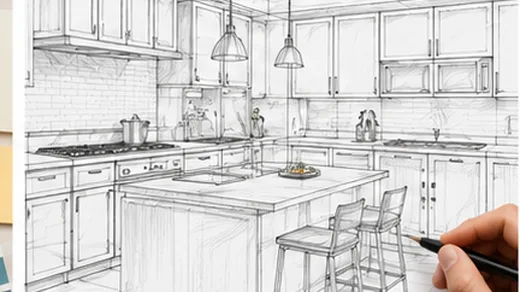
Conceptualization
Every detail from the steps above comes together into one final concept, ready to build.
We map locations for every kind of kitchen business
Location mapping is not only for cafes. The same study applies whenever a kitchen is being planned from the ground up, across restaurants, hotels, cloud kitchens and institutional kitchens of every size.
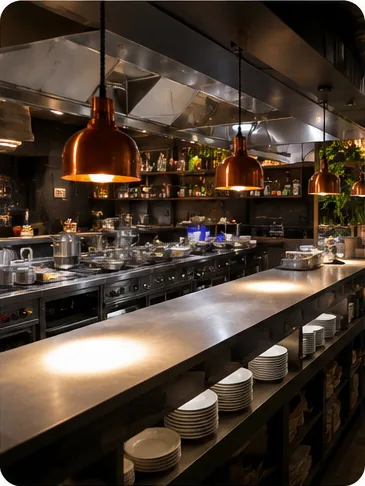
Restaurant kitchens
Mapped for dine-in footfall and a back-of-house that can keep up with it.
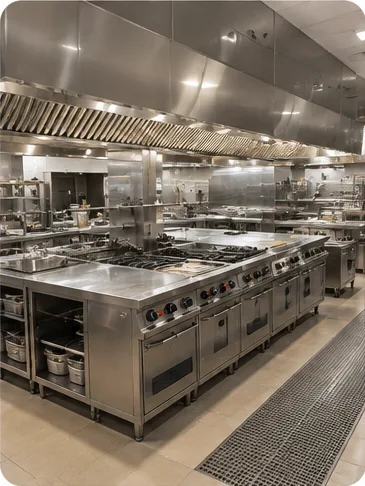
Hotel kitchens
Mapped around guest volume, banquet demand and multiple service points at once.
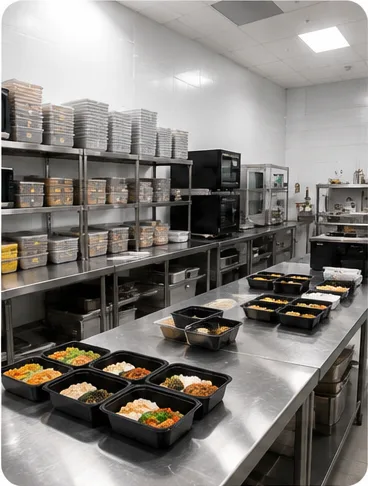
Cloud kitchens
Mapped by order density and rider access, not by how the street outside looks.
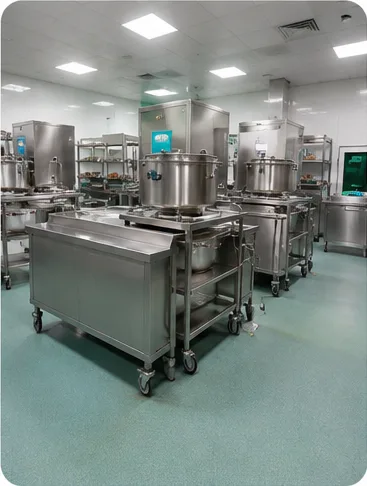
Hospital kitchens
Mapped for round the clock service, hygiene needs and steady daily volume.
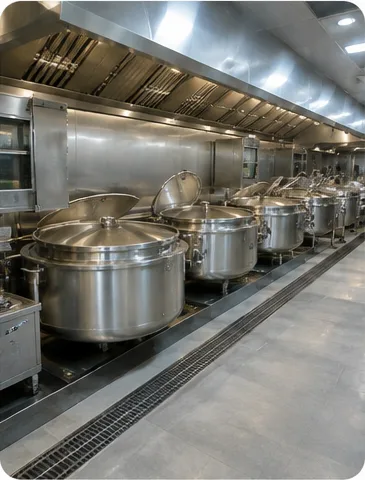
Army mess kitchens
Mapped for large volume cooking, storage and consistent daily service.
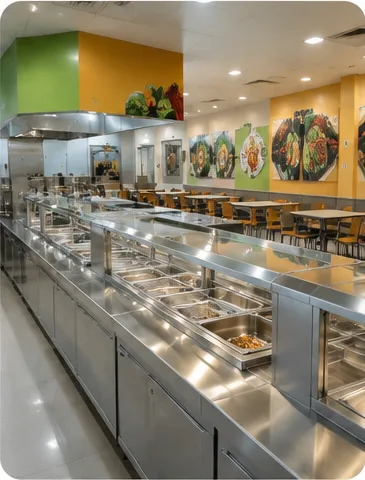
School and college canteens
Mapped around fixed meal windows, student volume and tight turnaround times.
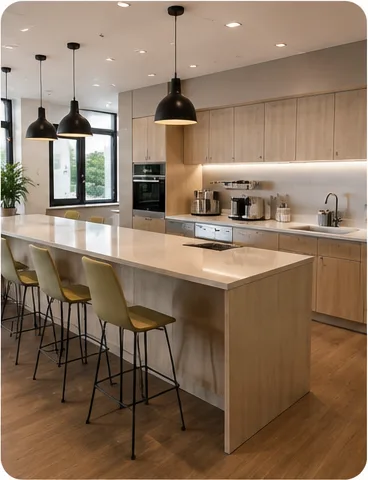
Corporate kitchens and cafeterias
Mapped around employee headcount, peak lunch hours and workplace access rules.
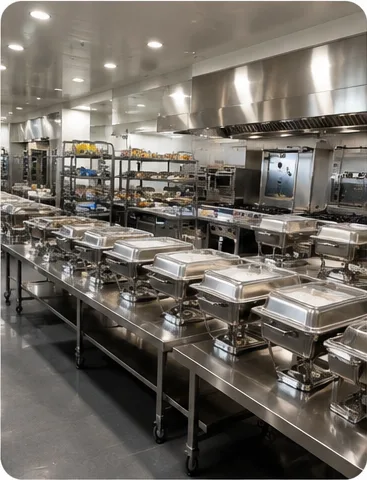
Catering kitchens
Mapped for bulk cooking, storage and easy loading access for outdoor events.
Frequently asked questions
Do not sign a lease before you know what the location can actually do
A wrong location is one of the hardest and most expensive mistakes to undo in the cafe business. Let our team study your shortlisted sites and tell you what the numbers actually say.