
Menu Development & Menu Engineering Services
A menu built from scratch, or fixed from the ground up, by the same people who can also build the kitchen equipment it needs to run on. Pan-India, no dealer in between.
Get a Free Quote
Tell us a little about your project, no charge for the first call.
A Menu Does Two Jobs. This Service Handles Both.
A restaurant menu tells a guest what to order, and at the same time, it decides how much money you actually make on every plate that leaves the kitchen. When both jobs are done properly, the menu does half the selling before a server even reaches the table.
This service covers two related pieces of work. Menu development is the work of building a menu from nothing: deciding what dishes go on it, working out recipes, and pricing them before the kitchen has served a single paying guest. Menu engineering is the work of studying a menu that already exists, checking which dishes make money and which ones quietly lose it, and rearranging the whole thing so the plates you want to sell are the plates guests actually pick.
Most restaurant, hotel, and cloud kitchen owners need one of these two tracks at any given time, not both together. The next section explains which one fits your situation.
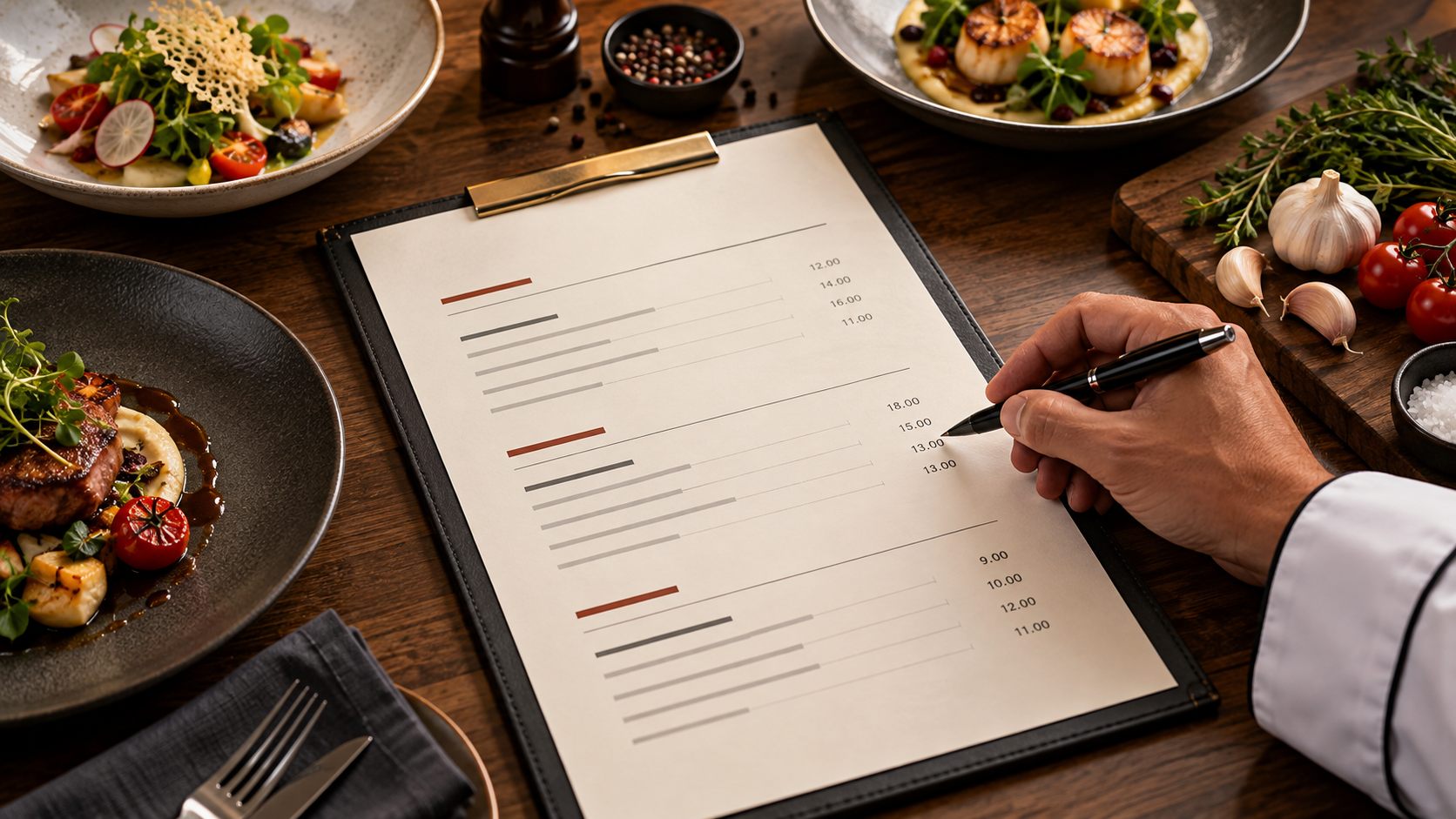
Two Tracks, Depending On Where You Stand
Depending on whether your restaurant, hotel outlet, or cloud kitchen already has a menu running, one of these two tracks will apply to you.
Restaurant Menu Development: Building From Scratch
If you are opening a new restaurant, hotel outlet, or cloud kitchen, there is no sales data to study yet, so the starting point is different. Menu development means deciding what the menu should say about the brand, choosing dishes that match it, writing and testing recipes until they are consistent, working out the real cost of every dish, and setting prices before day one of service.
Menu Engineering: Fixing What Already Exists
If the kitchen is already running, the menu carries months or years of real sales history, and that history is the most useful input available. Menu engineering studies which dishes sell often, which ones make the most money, and where the two overlap or don't, then reprices, redesigns, repositions, or removes dishes based on that.
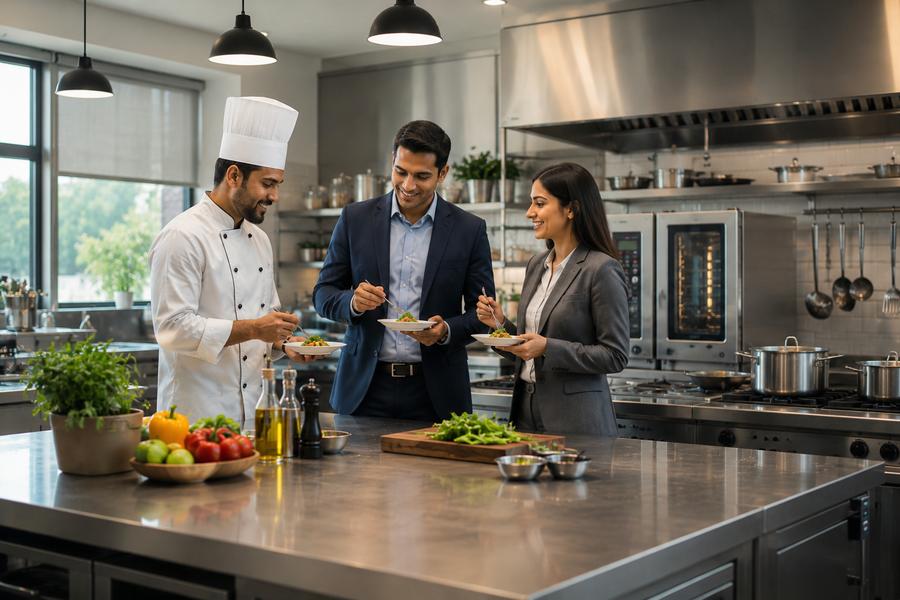
How To Tell If Your Menu Is The Problem
A menu problem rarely announces itself directly. It usually shows up as something else first. These are the patterns worth paying attention to.
- Some dishes get ordered constantly but barely cover their own cost once labour, gas, and packaging are added.
- Prices were set by looking at what nearby restaurants charge, not by working out what each dish actually costs to make.
- The delivery menu carries the same prices as the dine-in menu, even though aggregator commission takes a cut out of every online order.
- A new dish gets added every few months, but nothing old ever comes off, so the kitchen ends up stocking ingredients for items that barely sell.
- Guests take a long time deciding what to order, or keep asking the server what's good, which usually means the menu itself isn't doing its job.
- The same one or two dishes keep causing ingredient wastage, month after month.
- The menu hasn't changed in over a year, even though ingredient costs clearly have.
None of these alone means the business is in trouble. Together, they usually mean the menu is running on guesswork instead of numbers, which is exactly what this service is built to fix.
What Our Restaurant Menu Engineering Services Include
Whichever track applies to you, here is what actually happens once work begins on your menu development and menu engineering.
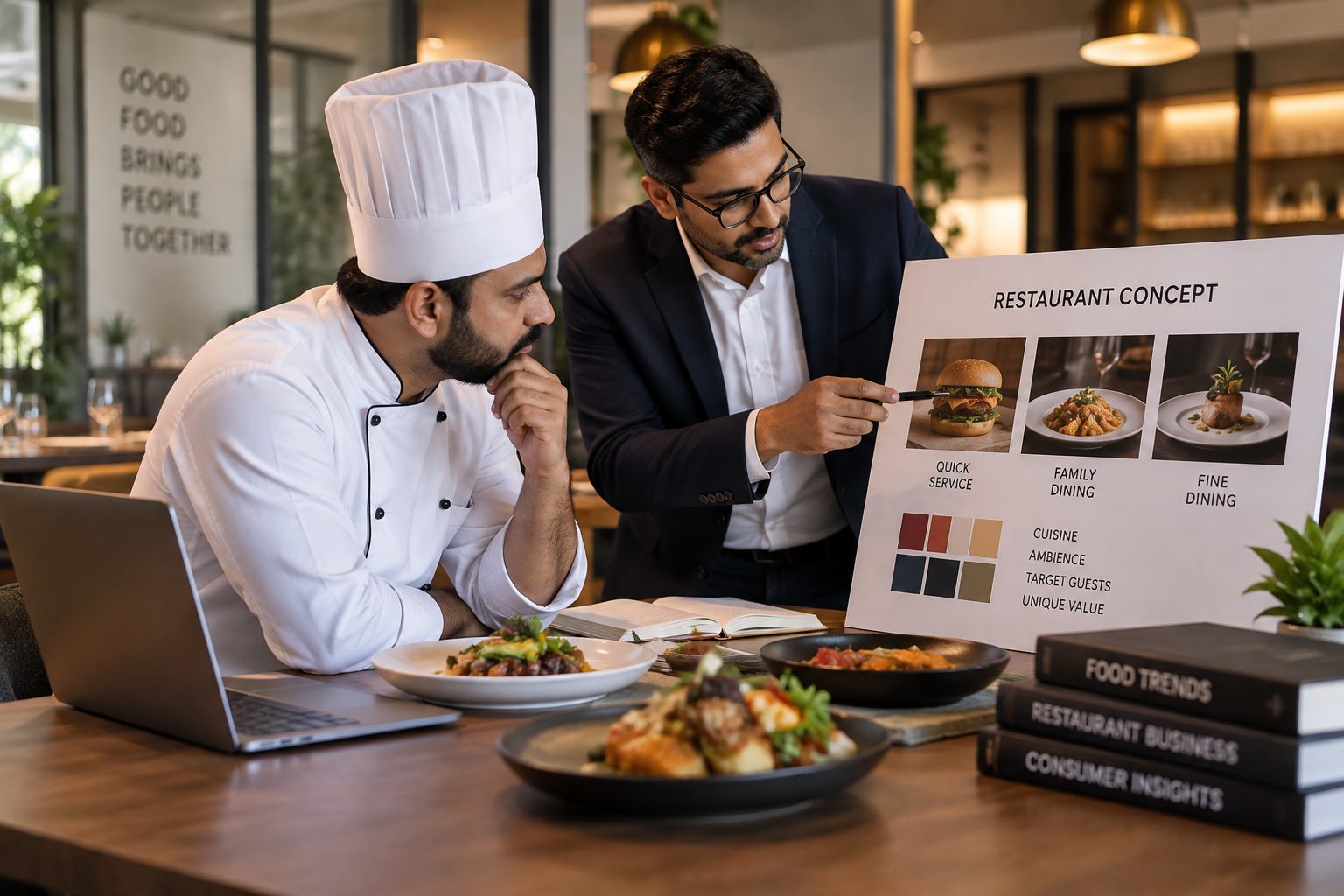
1. Concept & Positioning
Every menu should say something about the restaurant before a guest reads a single dish name. A quick service counter, a family dining hall, and a fine dining room all need menus that read differently, even where some ingredients overlap. This stage looks at who is actually walking through the door and what would make them choose this kitchen over the one next door, setting a clear direction that every later decision gets checked against.
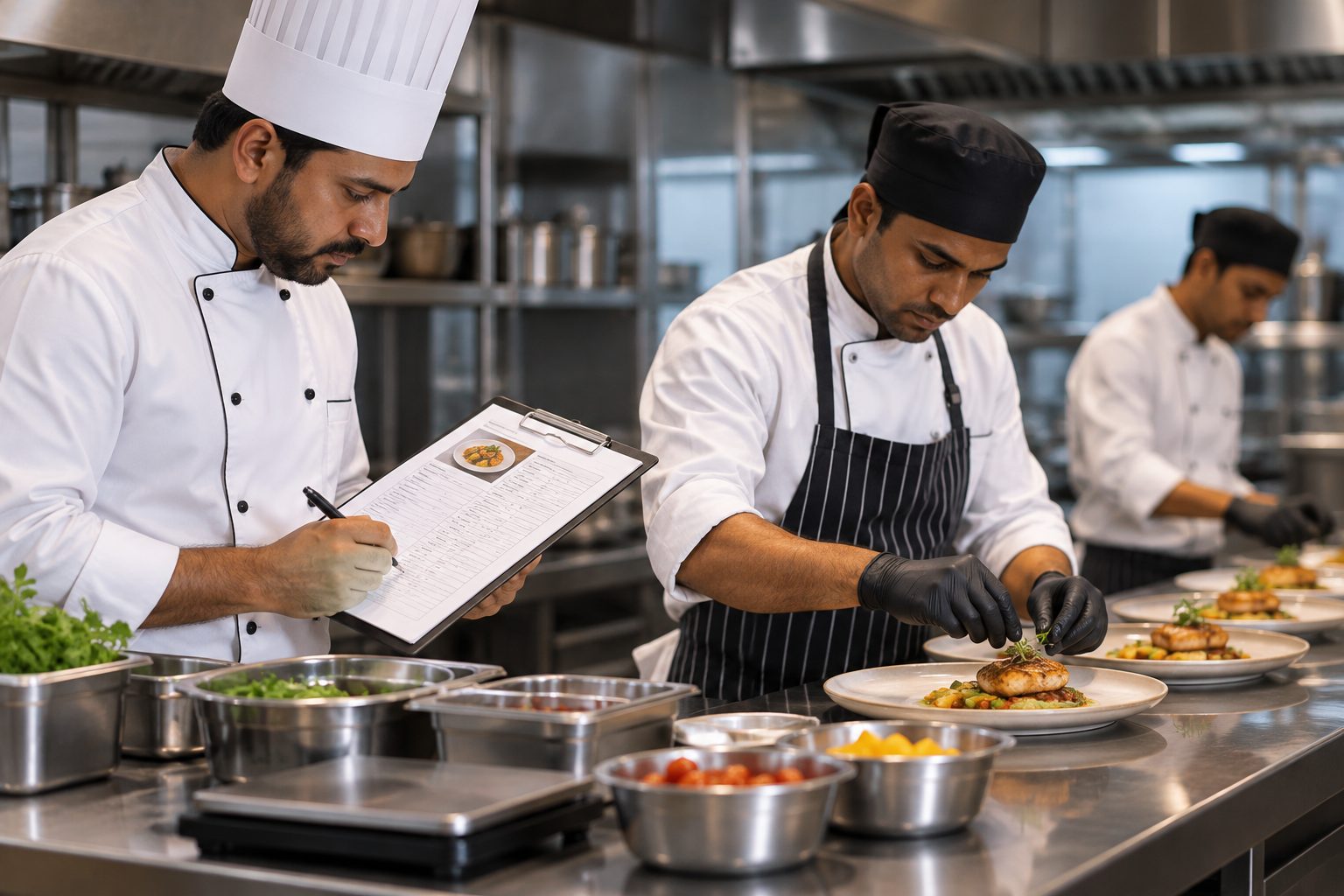
2. Recipe Development & Standardization
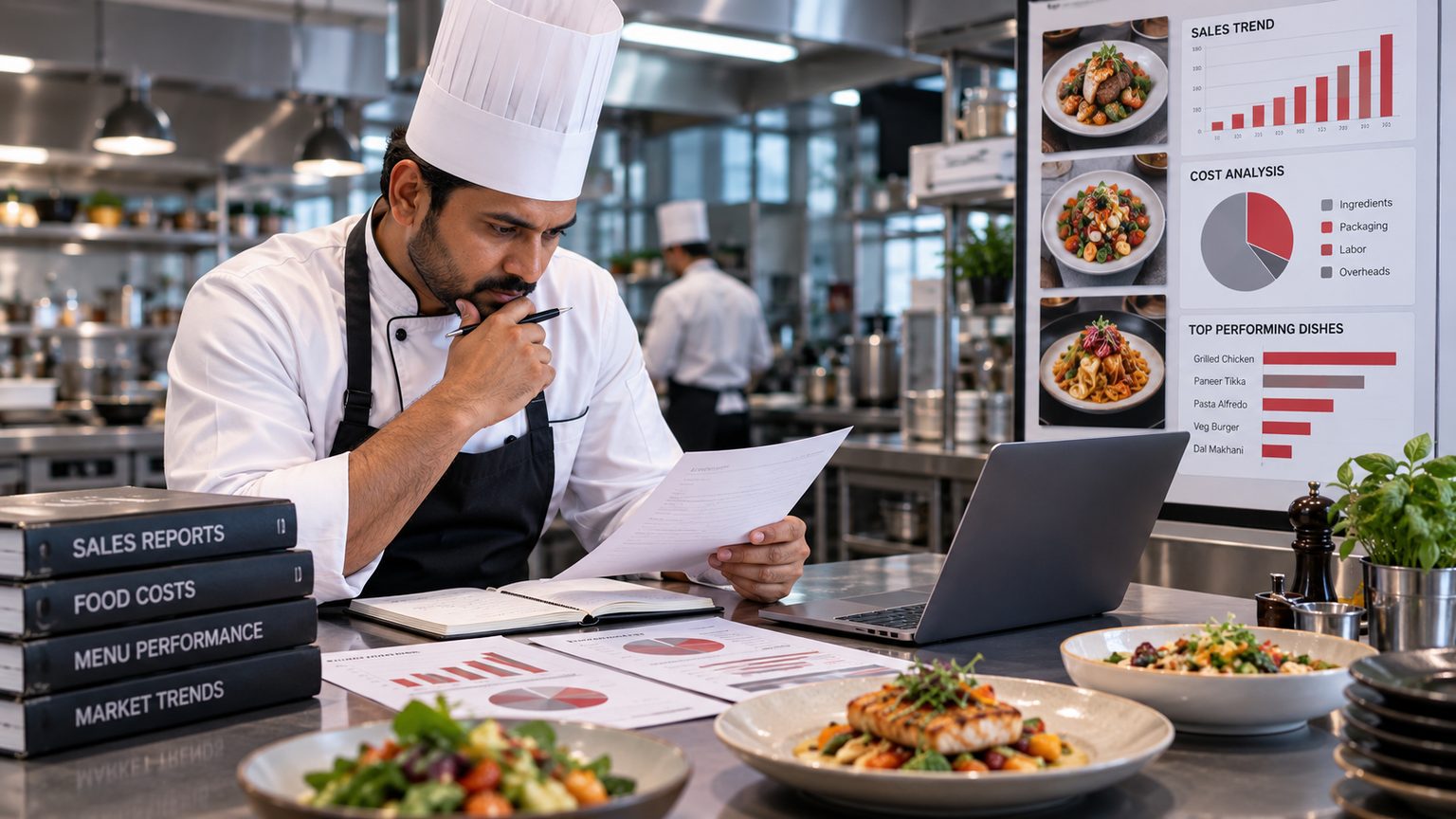
A dish that tastes different depending on who cooks it is a business risk, not a creative choice. This stage means writing out exact recipes, down to the gram, so a dish made on a slow afternoon tastes the same as one made during a packed Saturday night by a different cook. It also makes staff training faster and is the only way to know the real cost of a dish, since portions stop changing batch to batch.
3. Food Costing & Pricing Strategy
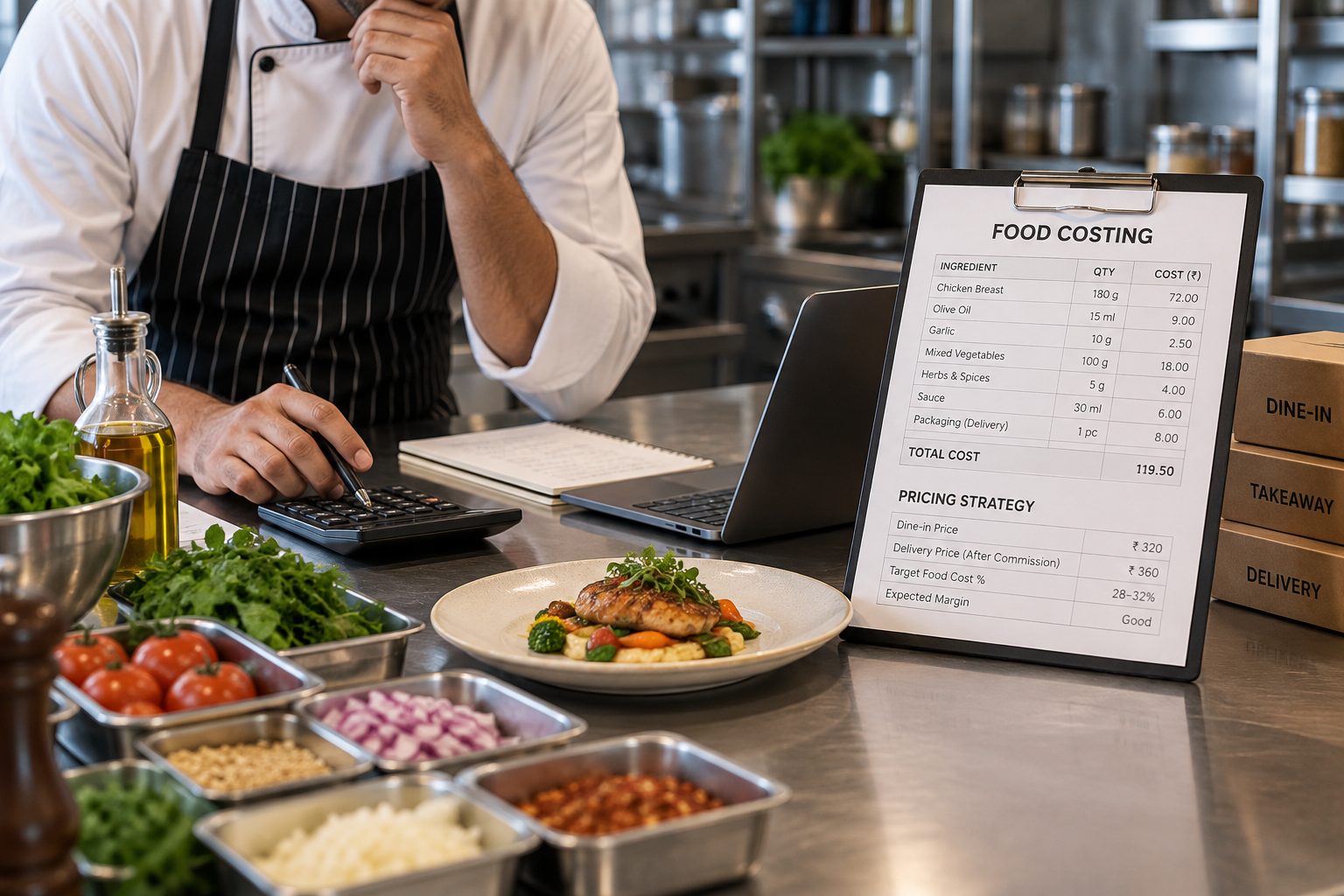
Once a recipe is fixed, its true cost can be worked out properly, ingredient by ingredient, including the small items that get forgotten, like oil, packaging, and garnish. Dine-in and delivery pricing get looked at separately here too, since aggregator commission changes what a dish needs to sell for online to earn the same margin it does at the table.
4. Profitability & Performance Analysis
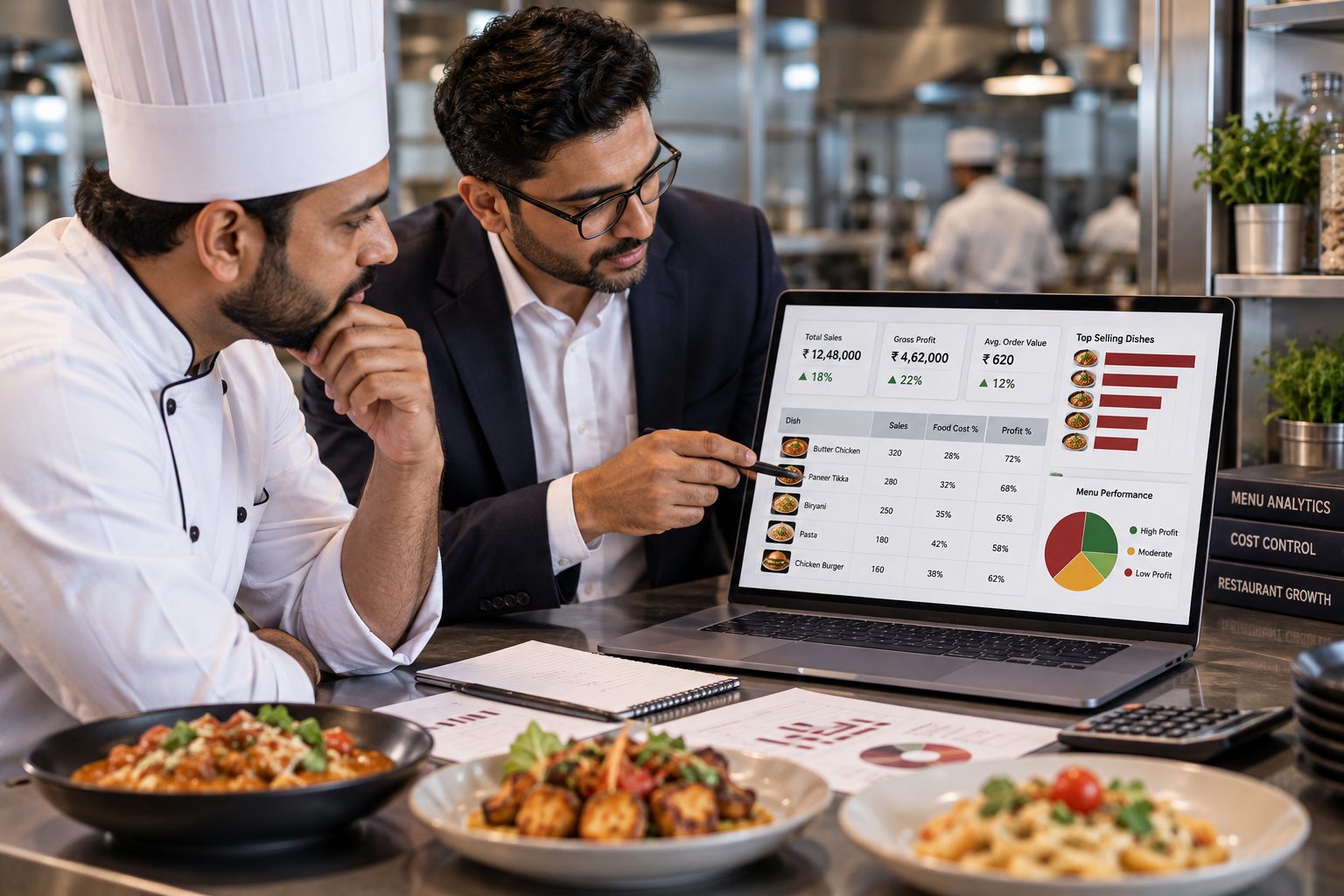
For a menu that already exists, this stage looks at real sales data over a set period to see which dishes are popular, which ones make good money, and where those two things line up or don't. Some dishes sell constantly but barely make anything once real cost is factored in. Sorting every dish this way turns menu decisions into something based on numbers rather than personal preference.
5. Menu Design & Layout
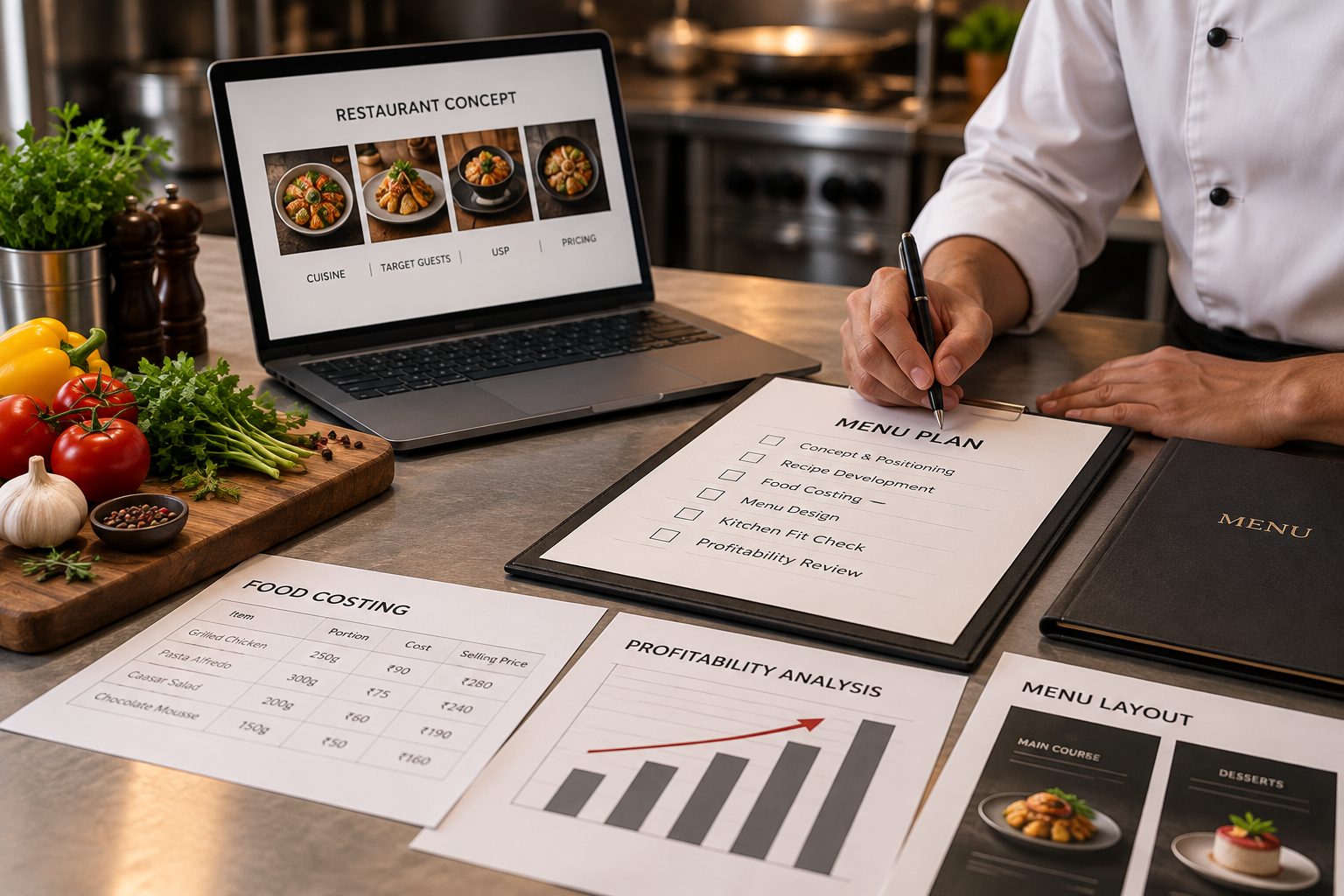
Where a dish sits on the page, how it's described, and how much space it gets, all influence what a guest ends up ordering. This stage covers organizing the menu into sections that make sense, deciding which dishes deserve more visual attention, and writing descriptions that are honest but appealing, without misleading anyone into ordering something they wouldn't otherwise enjoy.
6. Kitchen & Equipment Fit-Check
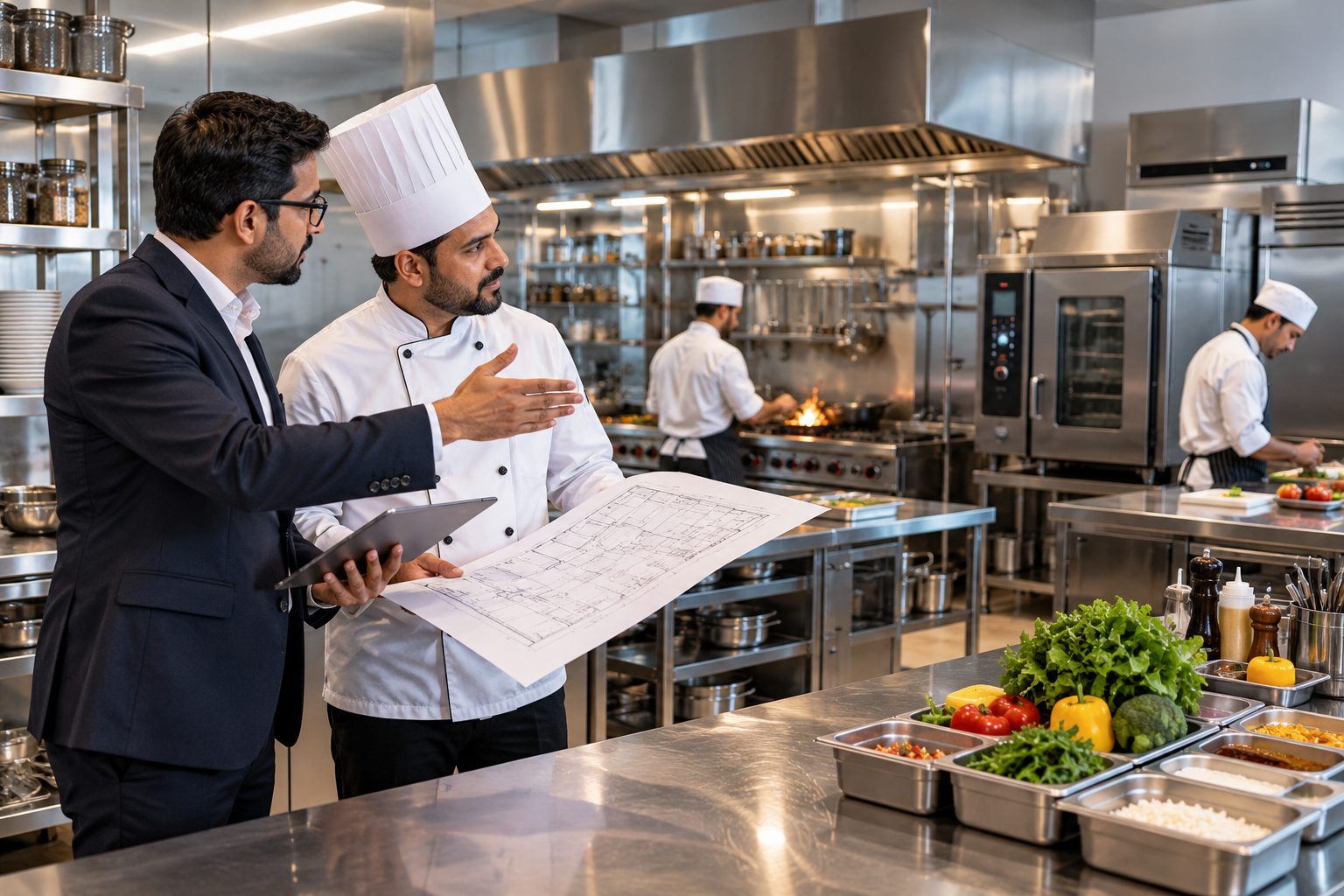
A menu that looks excellent on paper can fall apart the moment it meets a kitchen that wasn't built for it. This stage checks whether every dish can actually be cooked at the speed and volume the restaurant needs, using the equipment already in place. Since Chefs Shop also manufactures commercial kitchen equipment, this is the one part of menu work where the same team can build or supply whatever the kitchen is missing.
7. Ongoing Review
A menu is not a one-time document. Ingredient prices move, guest preferences change, and a dish that performed well a year ago can quietly stop working. This stage is a periodic check-in comparing current sales and costs against the original numbers, so a small correction happens early instead of after profit has already been affected for months.
Our Menu Development & Engineering Process
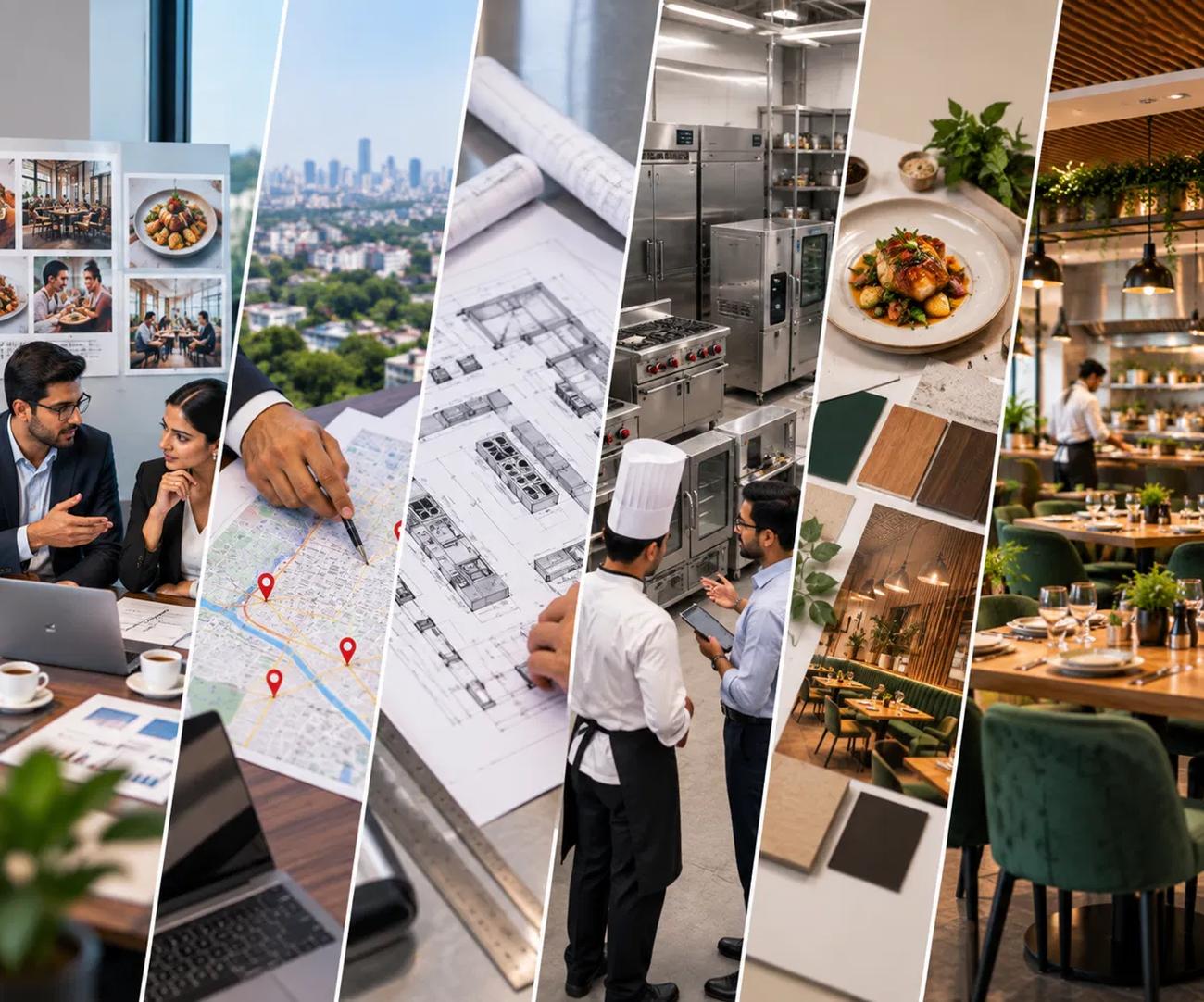
The exact starting point changes depending on whether the menu is being built new or fixed, but the overall path looks like this.
Understanding Your Setup
Understanding the concept, the target guest, and, for an existing menu, going through current sales data before anything else changes.
Costing & Data
Working out real ingredient and portion costs for every dish, and pulling sales history where it already exists.
Recipe Trials
Testing dishes for taste, consistency, and how practical they are to cook during a busy service, not just on a quiet test day.
Pricing & Design
Setting prices with real numbers behind them, then organizing the layout and writing descriptions.
Kitchen Fit-Check
Confirming every dish can actually be cooked at the required speed on the equipment available.
Staff Training
Walking kitchen and service staff through the finished menu, so everyone can execute and explain it the same way.
Launch & Review
Going live, then checking back after a set period to see how the numbers actually played out.
Built Differently For Every Kind Of Kitchen
Menu development and menu engineering apply differently depending on the kind of kitchen behind them. Here is how it plays out across different setups, including the institutional segments most consultants overlook entirely.
Restaurants
Balancing food cost, guest experience, and kitchen speed at once, especially when dine-in, takeaway, and delivery run out of the same kitchen during the same shift.
Hotels
Room service, restaurant, banquets, and sometimes a bar, each with different guest expectations and margins, working as one coherent system instead of separate menus.
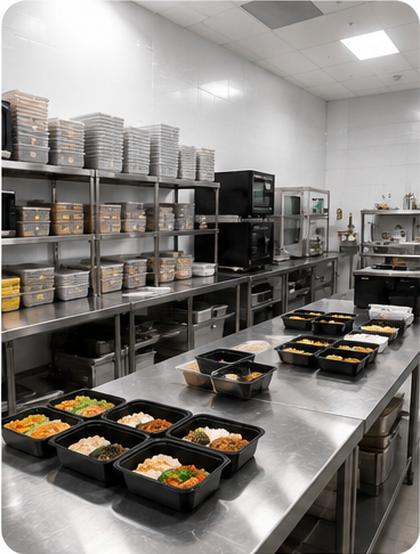
Cloud Kitchens
A menu that survives a delivery bag and reads well on a small phone screen, where recipe consistency matters more than table-side presentation ever will.
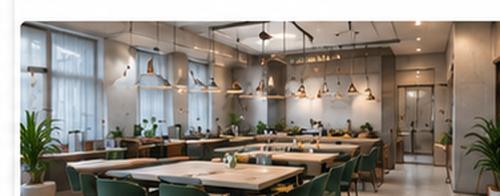
QSRs & Cafes
A small number of items cooked fast, over and over, without quality dropping. A tight, well-priced menu usually outperforms a long one in this format.
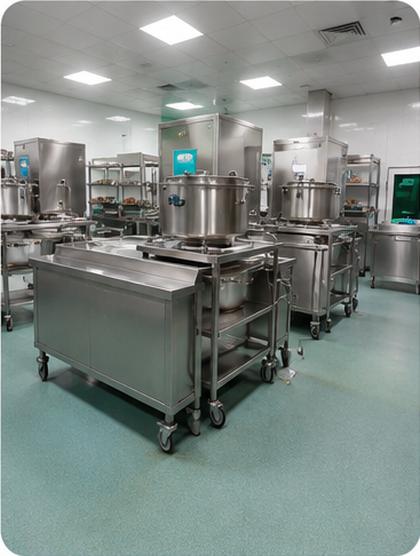
Hospitals
Strict hygiene rules and different dietary requirements prepared at the same time, at a scale most restaurant kitchens never deal with.

Army Mess Kitchens
Feeding a large number of people on a fixed schedule, with very little room for a dish to fail or run late.
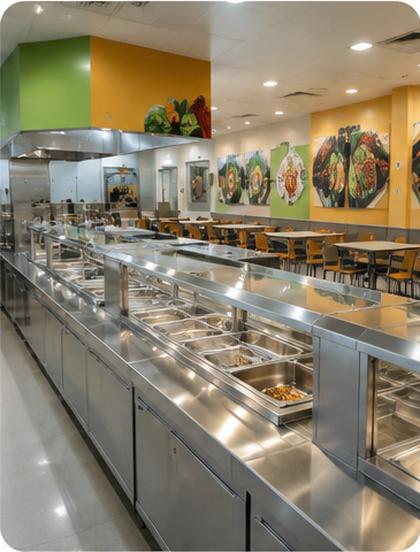
School & College Canteens
Menus that stay affordable at scale, meet basic nutrition expectations, and can be served within a fixed window between classes.
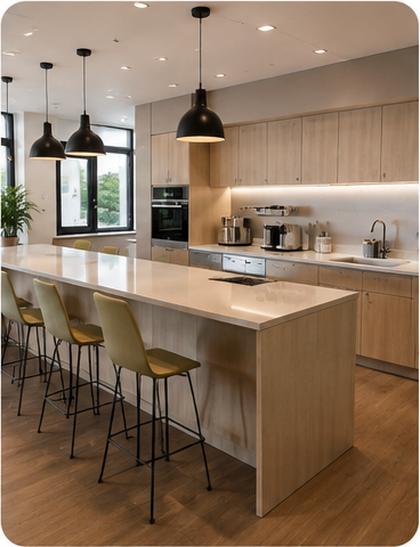
Corporate Cafeterias
Serving a large number of employees within a narrow lunch window on a fixed budget per meal. NGO and CSR-run community kitchens work under a similar constraint, where every rupee of food cost matters.
Common Mistakes We See On Restaurant Menus
A few patterns show up again and again in menus that underperform, and most are avoidable once you know to look for them.
Copying Competitor Pricing
Two restaurants can charge the same price for a similar dish and have completely different margins, depending on rent, portion size, and how well each kitchen runs.
One Price For Dine-In And Delivery
Aggregator commission changes the economics of an order enough that pricing usually needs to account for it separately.
Adding Dishes, Never Removing Any
A menu that only grows eventually strains the kitchen, since staff have to stay ready to cook everything on it, not just the popular half.
Treating The Menu As Finished
Ingredient costs move through the year, and a menu priced correctly last season can quietly lose money this one.
Designing Around Looks, Not Kitchen Reality
An impressive-looking menu is only useful if the kitchen can actually cook every item at the volume and speed a real service demands.
Ignoring Portion Drift
When portions aren't standardized, the same dish can quietly cost more to make over time without anyone noticing until margins slip.
Menu Work Is Part Of A Larger System
A menu is only as good as the kitchen behind it, the space guests sit in, and the story the brand tells before anyone even orders. Chefs Shop builds the full system around a restaurant, not just one piece of it. If you already have a kitchen consultancy project running, or need help with turnkey kitchen solutions or hotel consultancy, menu work plugs directly into that process instead of sitting apart from it.

Location Mapping & Planning
Finding a site with the right footfall before signing a lease.
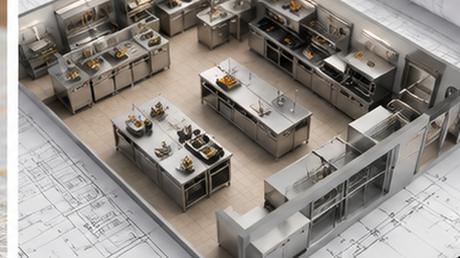
Kitchen Planning & Layout
Designing the kitchen floor plan around the actual menu and workflow.
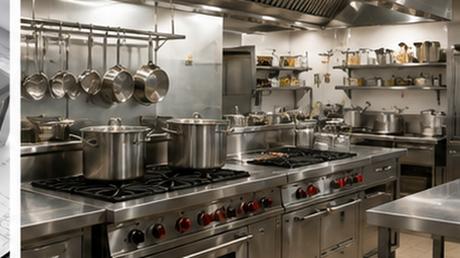
Kitchen Equipment Manufacturing
Building the commercial equipment a kitchen needs, in-house, without a dealer markup.
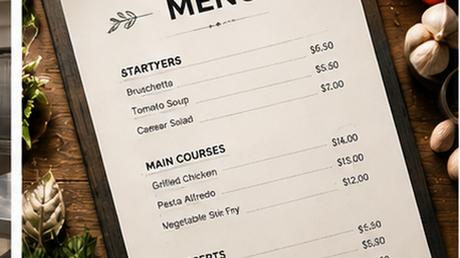
Menu Development & Engineering
The service on this page, connected to everything else Chefs Shop builds.
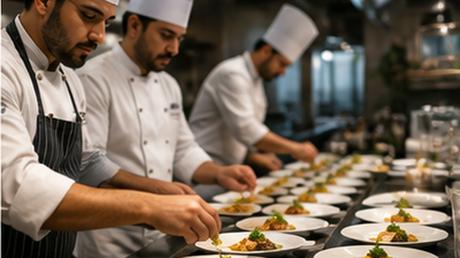
F&B Setup
Full kitchen and service setup for a new outlet from the ground up.
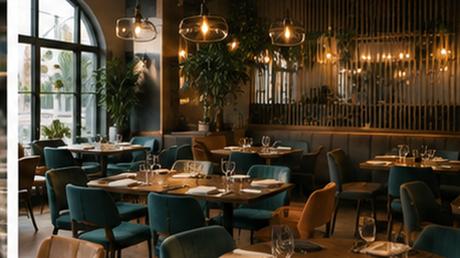
Interior Planning
Designing a dining space that matches the concept and the menu.
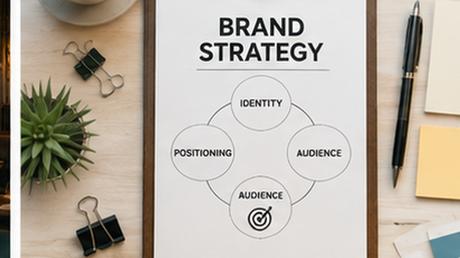
Brand Positioning
Defining what the restaurant stands for before it opens its doors.
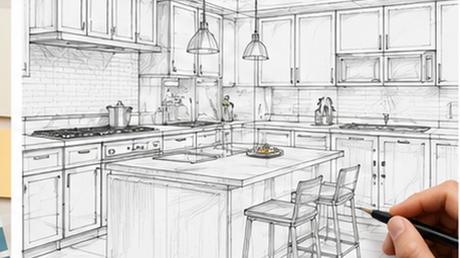
Conceptualization
Turning an early idea into a workable restaurant concept on paper.
The Menu And The Kitchen, From One Team
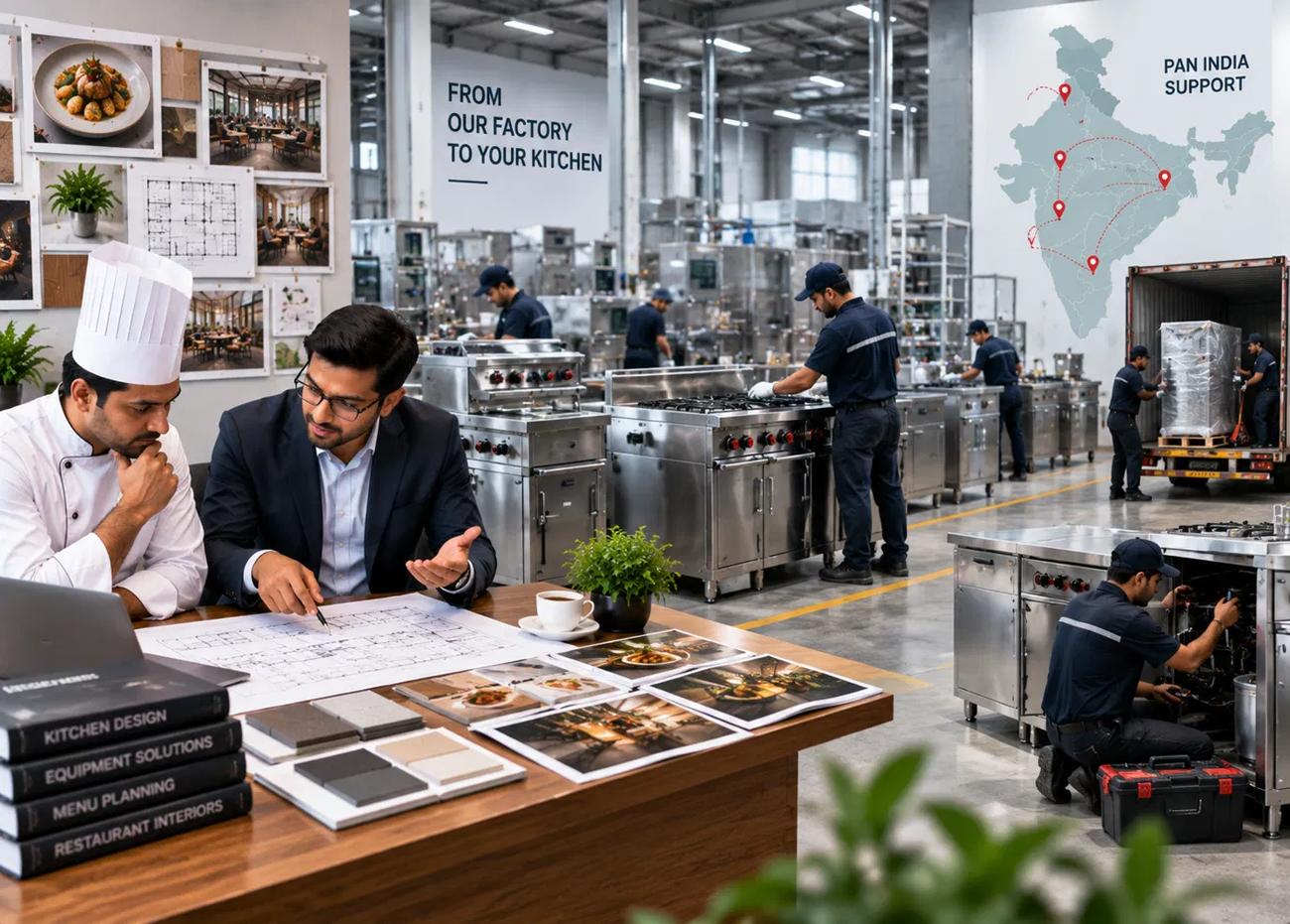
Most menu consultants stop at the recipe and the price. Chefs Shop also manufactures the commercial kitchen equipment that menu has to be cooked on, in its own factory, without a dealer or importer standing in between.
That means the same menu engineering consultant who prices a dish and designs the menu layout can also tell you honestly whether your current equipment can handle it, and build or supply what's missing if it can't. It removes an entire layer of back-and-forth between a menu consultant, an equipment vendor, and a kitchen contractor who have never spoken to each other.
Frequently Asked Questions
Do I need menu development or menu engineering for my restaurant?
If the kitchen hasn't opened yet, or you're adding a completely new outlet, menu development is the right starting point since there's no sales history to work from. If the restaurant is already running and certain dishes aren't performing the way they should, menu engineering studies your existing sales data instead of starting from zero.
Can this work for a restaurant that's already struggling, not just new ones?
Yes. An existing menu with real sales history is often easier to fix than a brand-new one, since actual numbers are available instead of estimates. A struggling menu usually has a handful of specific problems, wrong pricing, underperforming dishes, or a kitchen mismatch, that show up clearly once the data is reviewed properly.
Should my delivery menu be priced the same as my dine-in menu?
Not necessarily. Delivery orders carry aggregator commission that dine-in orders don't, so a dish priced correctly for a table can end up earning very little once it's ordered through a delivery app. Many restaurants price the same dish slightly higher online to account for that difference without changing what a guest pays in person.
How often should a restaurant menu be revised?
There's no fixed number that suits every kitchen, but a periodic review tied to a rise in ingredient cost or a change in what's actually selling catches problems earlier than waiting for a full year to pass. A menu that hasn't been looked at in over a year is usually worth reviewing regardless of how well it seems to be performing.
Does this work for cloud kitchens the same way it works for dine-in restaurants?
The principles are the same, but the priorities change. A cloud kitchen menu needs to survive packaging and delivery time without losing quality, and needs to look right on a small phone screen rather than a printed page. Recipe consistency also matters more here, since there's no server to explain a dish if it doesn't match its photo.
Will the new menu need different kitchen equipment, or can my kitchen handle it as is?
That's checked directly as part of the kitchen and equipment fit-check stage, before the menu is finalised, not after. If a dish needs equipment the kitchen doesn't already have, that gets flagged early enough to plan around it, and since Chefs Shop also manufactures kitchen equipment, sourcing whatever's missing can happen without bringing in a separate vendor.
Can this be done for an institutional kitchen, like a hospital, army mess, or school canteen?
Yes. Institutional kitchens have different priorities from a restaurant, usually higher volume, tighter budgets per meal, and strict hygiene or nutrition requirements, but the underlying menu work, recipe standardization, costing, and kitchen fit, applies just as directly.
How do you decide which dishes to remove from an existing menu?
The decision comes from comparing how often a dish sells against how much it actually earns after real cost, not from personal preference. A dish that rarely sells and barely earns anything even when it does sell is usually the clearest candidate for removal, though the final call always considers whether it serves another purpose, like a dietary option.
Does a bigger menu mean more sales, or does it hurt the kitchen?
A longer menu doesn't automatically mean more sales, and it often makes the kitchen harder to run, since staff have to stay prepared to cook everything on it well, not just the popular items. Many restaurants see stronger results from a shorter, well-priced menu than from a long one that spreads the kitchen too thin.
What information do you need from me to start?
For an existing restaurant, recent sales data by dish is the most useful starting point, along with current recipes if they're documented. For a new restaurant or outlet, we start with the concept, the target guest, and the kitchen space or equipment already planned or in place.
Ready To Build Or Fix Your Menu?
Whether the menu needs to be built from scratch or fixed from the ground up, the next step is the same conversation. Reach out and we'll look at where your menu and your kitchen currently stand before recommending anything.