
Sugarcane Machine
Stock status
Showing the single result
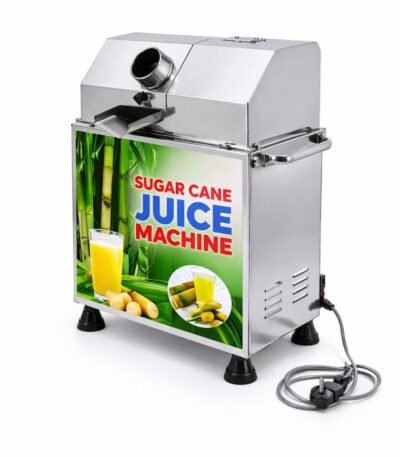
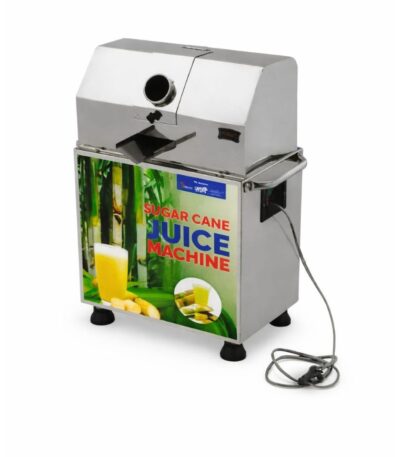
Sugarcane Juice Machine
Commercial Sugarcane Machine
If you run a juice shop, a dhaba, or any food business where sugarcane juice is on the menu, you already know how fast the glasses go during peak hours. One slow or unreliable machine and the whole serving line gets stuck. Customers do not wait long, especially on a hot afternoon.
Most people only realise this after they have already bought the wrong one.
Chefs Shop makes these machines in-house. We are not a reseller picking up stock from somewhere else and putting our name on it. Our sugarcane machines go out directly to juice shops, restaurants, canteens, and food stalls across India — and the people who built them are the same people you call if something needs sorting.
If you are setting up a new juice shop and want to start with something reliable, this is the right place. If you already have a machine that keeps jamming, overheating, or producing less juice than it used to, you will find better options here. And if you are expanding your setup and need a higher capacity machine, we have those too.
Our customers range from a single person running a roadside ganna stall to hotel kitchens and catering companies handling hundreds of glasses a day. What works for one setup will not always work for another. Daily glass count and working hours are the two things that tell you which machine actually fits your situation.
The Types of Sugarcane Machines We Offer
Tabletop Sugarcane Machine
This one fits on a counter and does not take up much floor space. It works well inside a restaurant, cafe, or food court where you have limited room but still need a proper commercial output. Single-phase connection, easy to run, and simple to clean at the end of the day.
Floor-Standing Commercial Sugarcane Machine
This is what most dedicated juice shops and high-volume stalls use. It handles longer working hours, higher cane volumes, and does not slow down during rush periods. Heavier build, stronger motor, and more stable during operation.
Sugarcane Machine with Inbuilt Chiller
This machine crushes the cane and chills the juice in the same unit. No separate refrigerator needed. Very popular during summer and in areas where cold sugarcane juice sells faster. Saves counter space and gives you a cleaner, faster serving setup.
Semi-Automatic Sugarcane Machine
The operator feeds the cane, and the machine takes care of the rest. A practical option for medium-volume setups where you want more control over feeding but do not want to do everything manually.
Things That Actually Matter When You Are Buying a Sugarcane Machine
There is a lot of information floating around about horsepower and roller counts. But here is what actually makes a difference when you are running this machine eight to twelve hours a day.
The Rollers
The rollers take the most punishment in any sugarcane machine. SS 304 food-grade stainless steel is what you want here — it does not rust, does not change the taste of the juice, and holds up well even when the machine is running most of the day. Cheaper roller materials start showing problems within months, sometimes sooner.
The Motor
For a small stall with moderate demand, a 0.5 HP to 1 HP motor is enough. For a shop that runs through peak hours without a break, go for 1.5 HP or more. Hard or thick cane puts more load on the motor. A weaker motor starts struggling, slows down, and in some cases overheats and trips during your busiest hours — which is the worst time for that to happen. Going one step higher on motor power costs a bit more upfront but saves a lot of frustration later.
How Many Rollers
Three rollers are the standard for most commercial machines. The cane goes through three crushing stages, and you get a good amount of juice in a single pass. Four-roller machines squeeze out even more, which means less waste from each piece of cane. If juice yield directly affects your margins, a four-roller machine pays for itself over time.
Output Per Hour
A machine that produces 100 to 200 glasses per hour is suitable for most juice shops and small food businesses. If you are running a high-traffic stall in a market or near a busy road, you might need something closer to 400 to 800 glasses per hour. Always size your machine slightly above your current demand so it is not running at its limit constantly.
Cleaning
At the end of every working day, the machine needs a proper wash. Rollers, collection trays, and the body all need to be cleaned. Machines that let you remove parts quickly without using tools make this much easier. If cleaning is difficult, it tends to get skipped or done poorly, and that creates hygiene problems over time.
Safety
A good commercial sugarcane machine should have a covered body around the rollers, a clear inlet guide, and an emergency stop button. These protect whoever is operating the machine and also keep dust and flies away from the juice during service. If you are serving juice to paying customers, keeping flies and dust away from the extraction process is not optional — it is something customers notice and judge you on.
Who Buys Sugarcane Machines from Chefs Shop
- Juice shops and ganna juice stalls
- Restaurants and dhabas serving fresh juice
- Hotels and banquet kitchens
- Food courts and mall beverage counters
- Corporate and college canteens
- Catering businesses for outdoor events
- Mobile juice cart operators
Why People Choose Chefs Shop for Their Sugarcane Machine
We are a manufacturer first. Chefs Shop operates under Cloudology Kitchen Lab Pvt. Ltd., and we make commercial kitchen equipment in-house — sugarcane machines, ice cream machines, momo sheeters, softy machines, idli steamers, and more.
Making the machines ourselves means we have seen what goes wrong under real working conditions. Which part wears first. What motor size gets pushed too hard in a busy shop. What needs to be stronger and what does not. That experience goes into how we build each machine — not based on what looks good in a catalogue.
When something goes wrong after the purchase, we are reachable. Spare parts are available. Our team can guide you through basic fixes over a call. And if it is a bigger issue, we sort it out.
When a machine stops working mid-shift and you have customers waiting, the last thing you want is to be told someone will get back to you in 48 hours.
Before You Place an Order — A Few Things Worth Checking
Figure out your daily glass count first. Even a rough estimate helps you pick the right capacity. A machine that is too small will struggle. A machine that is too big costs more upfront than you need to spend right now.
Check your power connection. Most of our machines run on standard single-phase 220V supply, which works in almost every shop or stall. A few larger models need three-phase. Confirm this before ordering.
Think about where it will sit. Tabletop or floor-standing depends on your counter space and how much you plan to serve. If you are not sure, tell us your setup when you reach out and we will guide you.
Frequently Asked Questions Related To Commercial Sugarcane Machine
1. How much does a commercial sugarcane machine cost in India?
Prices vary depending on the type and capacity. A basic electric commercial sugarcane machine typically starts from around Rs. 30,000 to Rs. 35,000. Mid-range machines with better motor power and three or four rollers fall between Rs. 60,000 and Rs. 1,20,000. Machines with an inbuilt chiller or very high output capacity can go above Rs. 1,50,000 to Rs. 2,00,000. At Chefs Shop, we offer options across all these ranges. The right one depends on how many glasses you serve per day and how many hours the machine runs.
2. My sugarcane machine is producing less juice than before. What could be the reason?
This is one of the most common complaints from juice shop owners. In most cases, the rollers have worn down over time. When rollers lose their surface grip, they cannot squeeze the cane as hard, and more juice stays trapped in the bagasse. Another reason could be the cane being fed too fast or not aligned properly while entering. Check the roller surface first. If there is visible wear or the gap between rollers has widened, that is likely the cause. With SS 304 stainless steel rollers, this happens much slower than with low-grade roller materials.
3. How do I clean a commercial sugarcane machine properly?
After you finish using it for the day, switch off and unplug the machine. Remove the collection tray and wash it separately. Pour two to three glasses of clean water through the cane inlet while the machine is still running — this flushes out leftover juice and pulp stuck in the rollers. Wipe down the outer body. For a deeper clean, remove the rollers if your model allows it and wash them with a food-safe cleaner. Leftover pulp sitting inside the machine overnight is something you really want to avoid. It draws insects, smells bad by morning, and is exactly the kind of thing that gets noticed by a health inspector or a customer standing close to your counter.
4. What is the difference between a 3-roller and 4-roller sugarcane machine?
A 3-roller machine crushes the cane in three stages in a single pass and gives you a strong juice yield. It is what most juice shops use and it works well for daily commercial use. A 4-roller machine adds one more crushing stage, squeezing more juice out of the same piece of cane. The difference in yield per cane might seem small, but across hundreds of glasses per day it adds up. If you are buying a lot of cane daily and juice yield directly affects your cost per glass, a 4-roller machine is worth the extra investment.
5. Can a sugarcane machine be used outdoors or on a mobile cart?
Yes. Several commercial sugarcane machines are built for outdoor use. They come with wheels for easy movement and a fully covered body that keeps dust, flies, and direct sunlight away from the juice during service. If you are setting up a mobile cart, look for a compact model with a covered design. Some models also work with a generator if direct power is not available at your location. Let us know your setup when you contact us and we will suggest the right model.
6. How long does a commercial sugarcane machine last?
With regular cleaning and basic maintenance, a well-built commercial sugarcane machine lasts several years of daily use. The life of the machine depends mostly on the quality of the rollers and motor, how many hours it runs per day, and how well it is maintained. Machines with food-grade SS 304 rollers and a quality gear system last significantly longer than those built with cheaper parts. Most machines that fail within the first two years did not fail because of poor build quality. They failed because cleaning got skipped regularly, or a small issue like unusual noise or a loose part was ignored until it became a bigger problem.
7. The machine keeps jamming when I feed the cane. How do I fix this?
Jamming usually happens for a few reasons. The cane might be too thick or too long for the inlet opening. Try cutting the cane to a shorter length before feeding. Another reason is feeding too fast — push the cane in at a steady pace, not all at once. If the machine still jams, check if the rollers are misaligned or if there is built-up pulp stuck between them. Some machines have a reverse button that pulls the jammed cane back out, which helps a lot in this situation. If jamming is happening frequently on a new machine, contact us and we will check if there is an adjustment needed.
8. Do you provide warranty and spare parts for sugarcane machines?
Yes. Our sugarcane machines come with manufacturer warranty. The duration depends on the model. Spare parts are also available, which matters when a small component needs replacing and you do not want the whole machine sitting idle. When you buy from Chefs Shop, you are buying from the manufacturer, so getting parts or support after the sale is straightforward. Reach out to our team for details on warranty terms and spare part availability for specific models.
